China
China
China
China
 Malaysia
My warehouse bill hit $2,500 last month, and I was staring at half my space filled with rolls of bubble wrap. That's when it hit me—I was literally paying rent to store air. At $1.25 per square foot, I was spending $625 monthly just to warehouse something that's 80% air.
Every e-commerce seller knows this math problem. You move from garage to warehouse because you're scaling up. But here's the brutal truth: packaging materials often consume 25-30% of your new space. If you're paying $3,000 monthly for warehouse space, that's $750-900 every month just for storing bulky rolls of bubble wrap and air pillows.
According to recent industry data, packaging optimization typically saves businesses 15-20% on shipping costs while reducing material usage by 26-40%. But the biggest win? Space optimization saves 10-15% on your warehouse footprint.
I was complaining about storage costs to a fellow warehouse owner when he dropped this wisdom: "Why don't you store the materials that make protective materials instead of storing the protective materials themselves?"
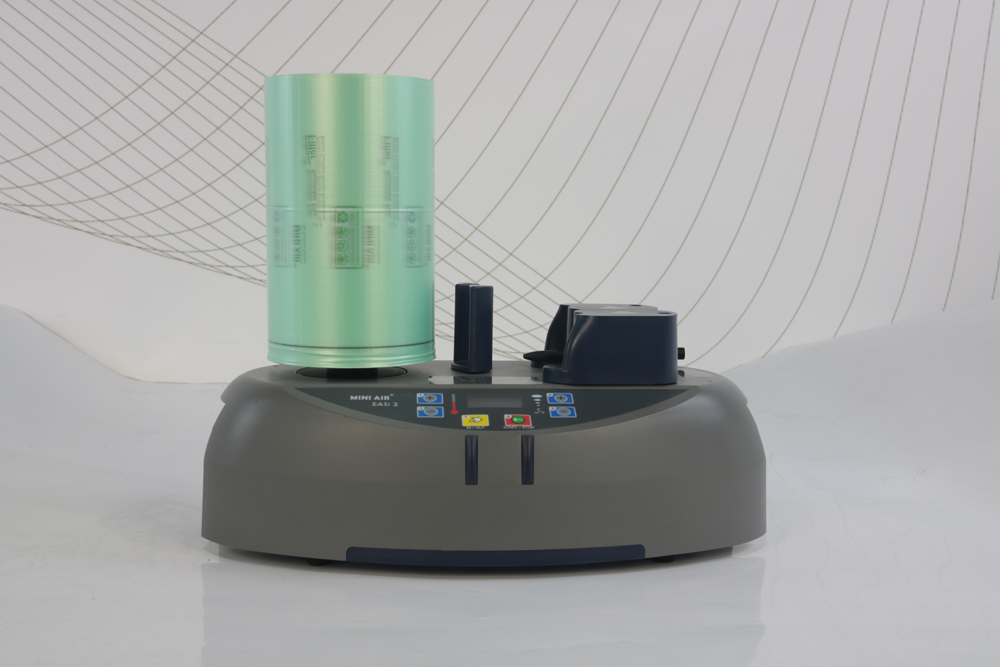
That's when I discovered MINI AIR's on-demand system. Instead of warehousing massive rolls of bubble wrap, I stored compact film rolls that inflate instantly when needed. One box of their HDPE film produces the equivalent of 50+ traditional rolls—using just 10% of the storage space.
The transformation was immediate. What used to take up 400 square feet of my warehouse now fits in 40 square feet. That's 360 square feet I can sublet for $450 monthly, essentially making my packaging system pay for itself.
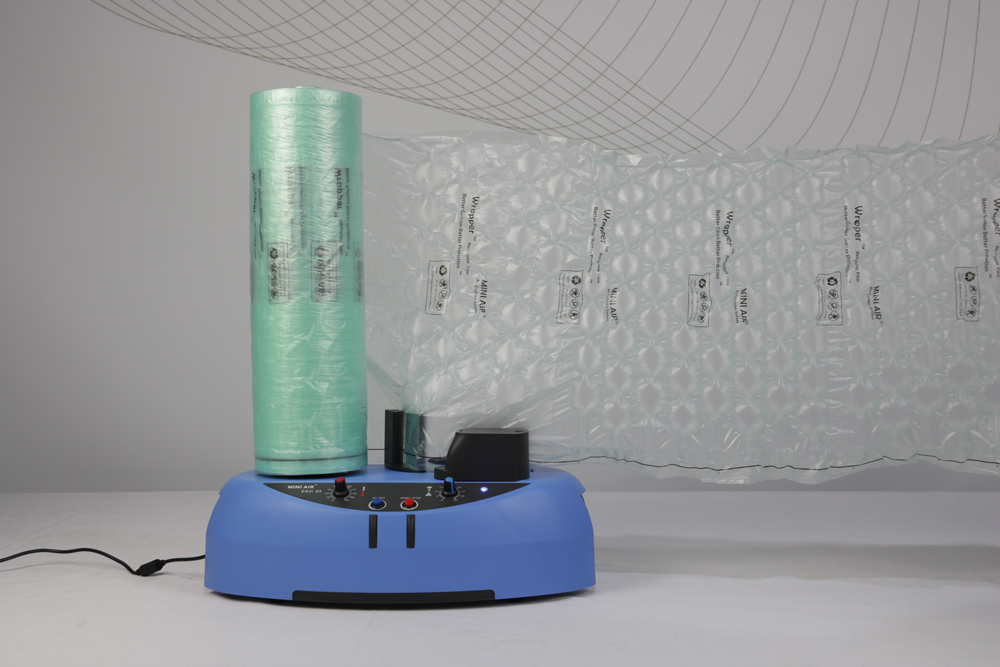
The film technology creates air pillows and bubble film on demand, eliminating all that wasted space from pre-inflated materials. My packaging materials now take up one corner instead of half my warehouse.
When I started with the MINI AIR EA2S, it was perfect for my 50-100 daily orders. Simple operation, no preheating required, and handles both air pillows and bubble film seamlessly.
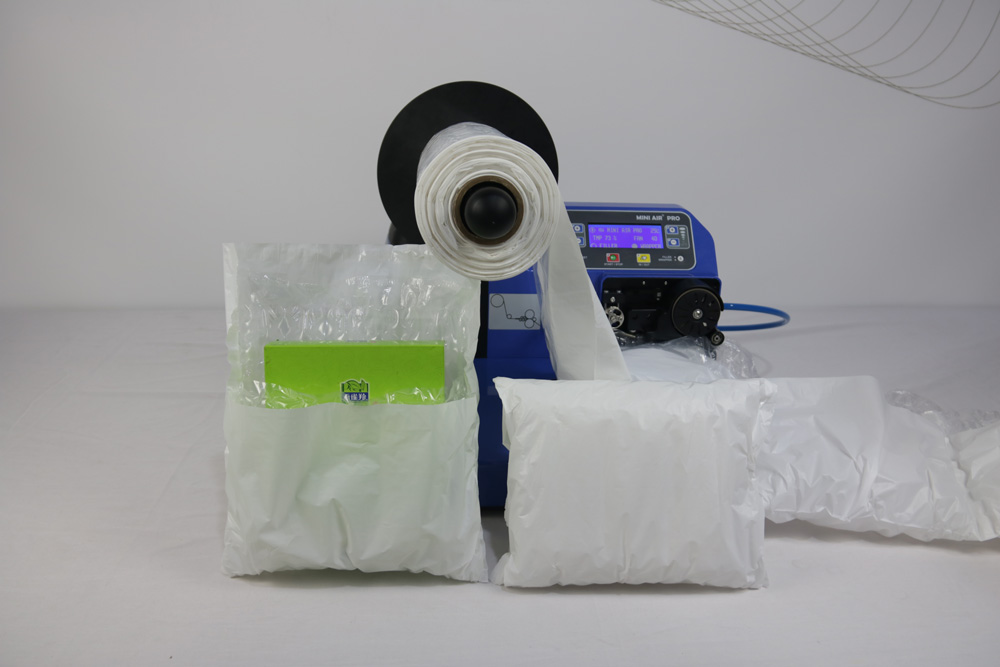
As my volume grew, I upgraded to the MINI AIR PA2 for serious throughput—25 meters per minute speed handles high-volume operations efficiently. Same compact film concept, industrial strength.
Stop paying rent to store air. If you're processing 50+ orders daily and using traditional packaging materials, you're probably hemorrhaging $800-1,200 monthly on storage costs alone. That's money that could go toward inventory, marketing, or actually expanding your business.
The question isn't whether on-demand packaging makes financial sense—it's obvious once you run the numbers. The question is whether you want to keep paying premium rates for dead space or start maximizing every square foot for actual revenue generation.
My warehouse costs dropped to $2,100 this month. The space I freed up from packaging materials is now generating income. Sometimes the best business decisions are the ones that let you stop paying for things you don't actually need.