China
China
 Malaysia
Getting an automatic foam-in-place machine is a major shift for any shipping department. You are making the move to speed up your packing line and get identical protection in every single carton. But before investing in the hardware, it is worth looking at exactly how the daily operation changes and if your current order volume actually needs it.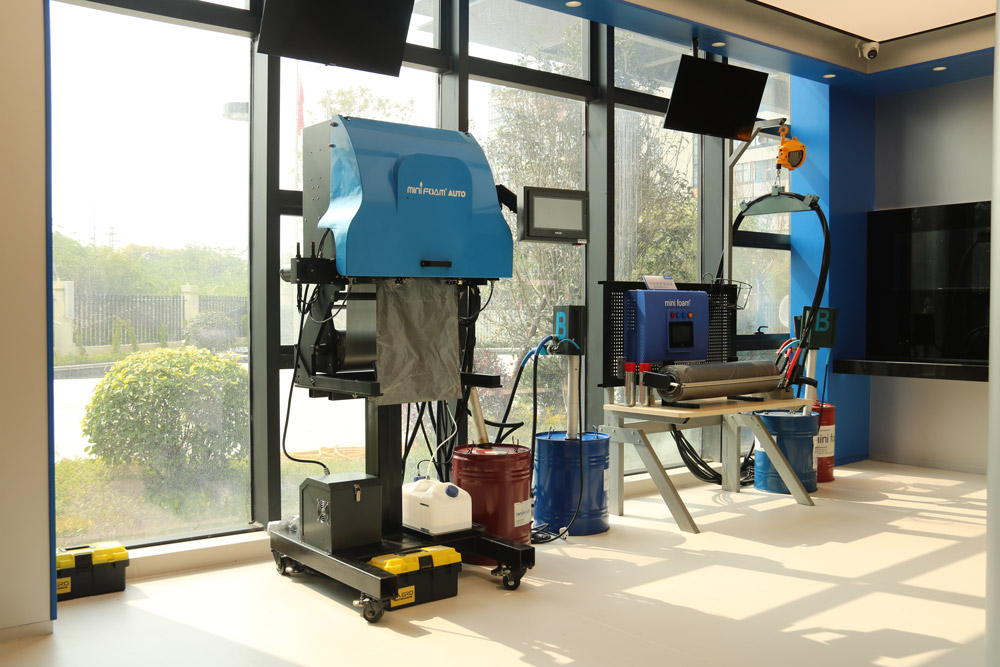
If you stand next to an automatic packaging station, the biggest difference you notice is the lack of manual preparation. Your workers are completely removed from the liquid mixing and measuring stages.
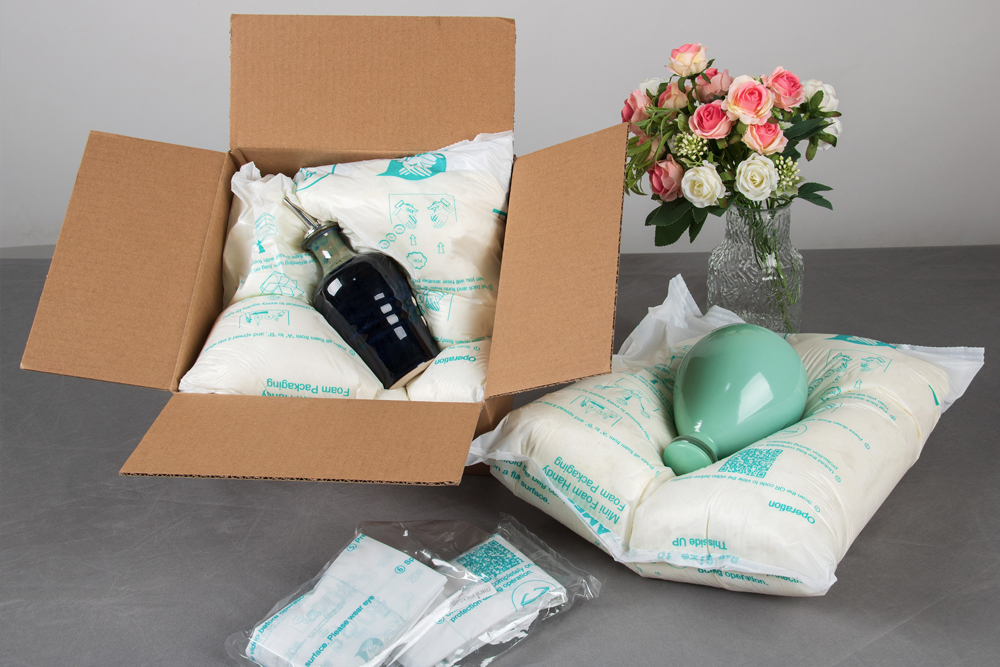
The process starts at the touch screen. A packer selects a product profile, and the machine immediately pulls a length of film, injects the correct liquid dose, and heat-seals the edges. It quickly dispenses a closed bag with the foam already expanding inside.
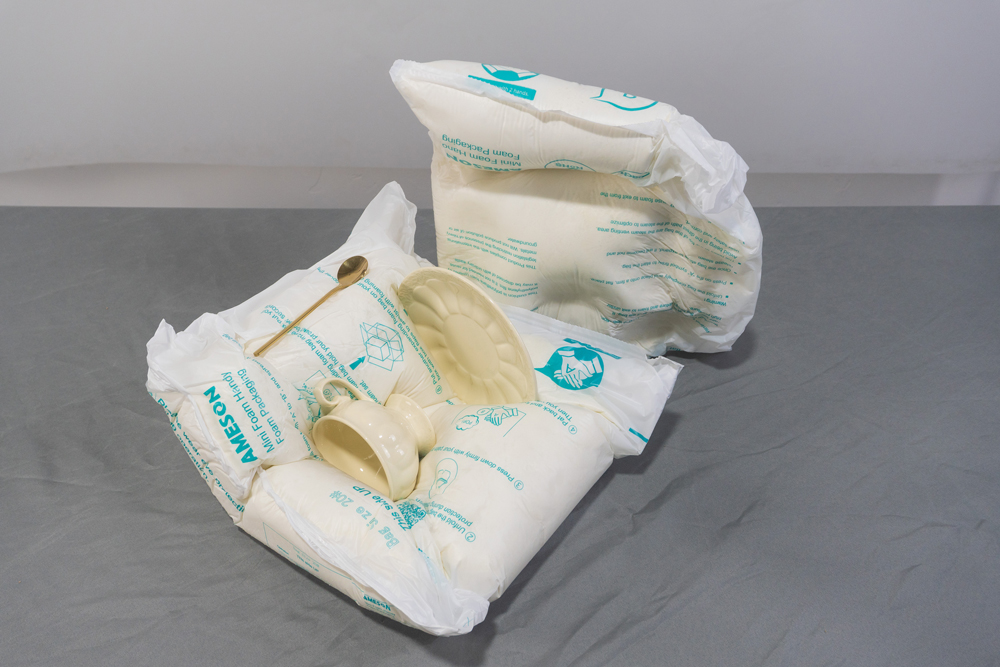
Packing the box becomes incredibly simple after that. The operator places the sealed bag into the carton, sets the item directly on it, and lets the rising foam mold itself around the shape of the product. Because the machine handles the exact material output, the worker just focuses on loading the carton and moving to the next order.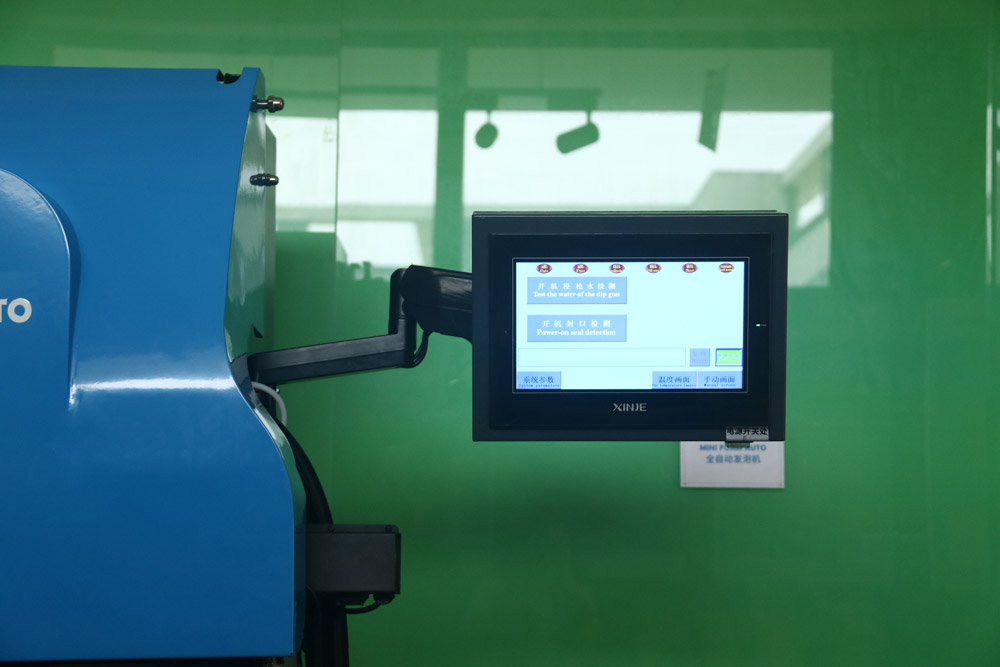
The main advantage of letting a machine handle the sealing and cutting is strict consistency.
The machine dispenses a preset amount of liquid for each cycle, helping improve consistency and reduce waste caused by excessive manual dispensing. It also keeps your packing station clean. Because the expanding liquid is sealed inside the plastic bag before it even hits the box, your workers do not risk getting sticky foam on the actual product.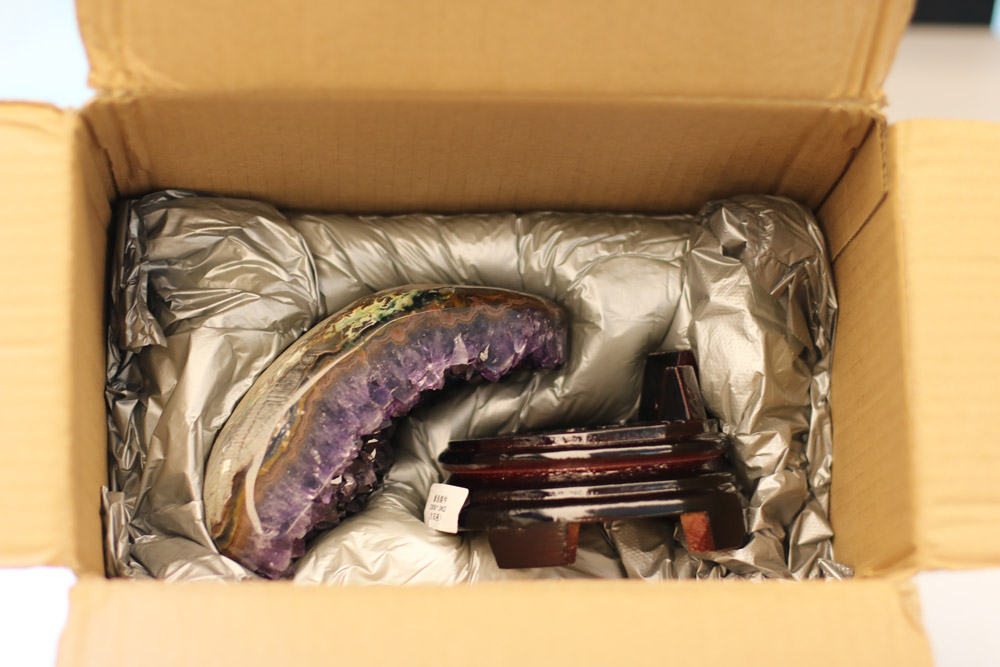
An automatic machine makes sense if your daily operation relies on high throughput and standardized boxes.
If your facility packs the same types of auto parts, electronic instruments, or industrial components in continuous batch runs, an automated system keeps the line moving fast. The operator taps a preset button, catches the bag, packs the box, and repeats.
However, you have to evaluate your product mix. If your box sizes and product shapes change drastically every five minutes, operators might spend too much time adjusting the machine's settings. Automatic machines thrive on repetition.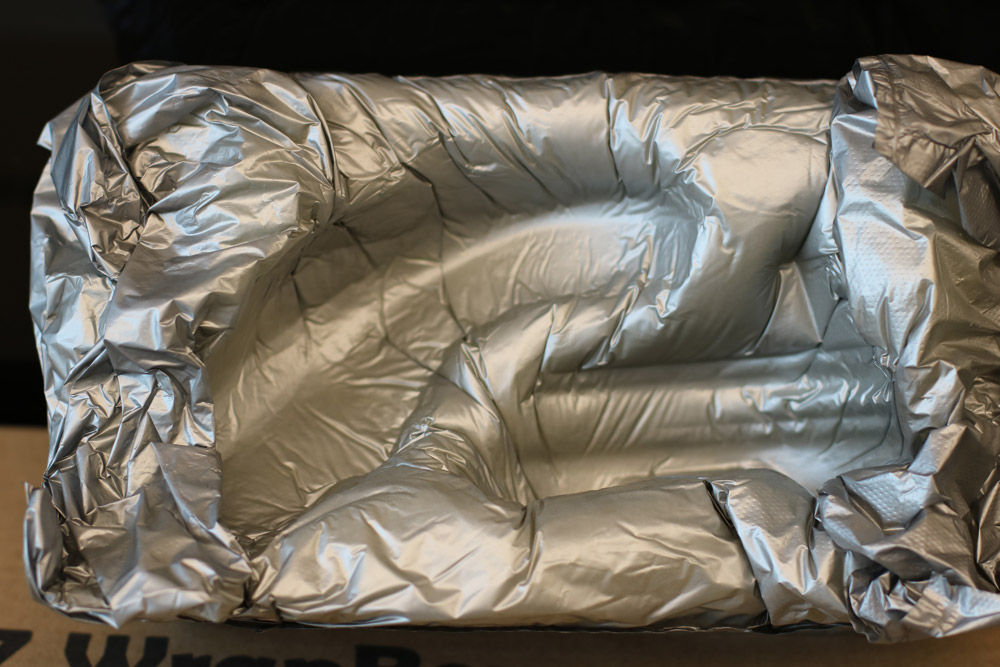
If you decide an automatic system fits your repetitive packing workflow, look closely at the hardware designed to reduce daily maintenance.
Look for systems that include an auto gun cleaning feature to save downtime. You should also evaluate the machine's versatility. While most machines make standard bag-shaped foam for bottom and top cushions, having the option for tubular foaming modes allows your operators to wrap long or awkward parts more easily.
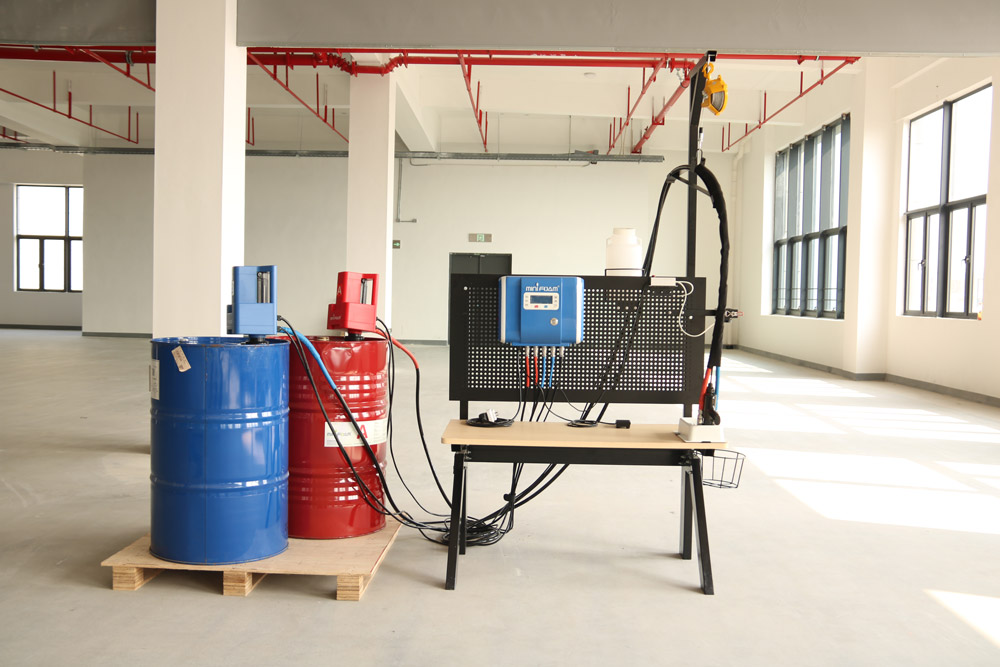
If you are looking for equipment that handles these demands, consider a system like the [Mini Foam MFA01]. It features an adjustable touch screen panel where you can preset and store multiple sets of data for your standard box sizes. With a one-click start function and auto gun cleaning, it simplifies the workflow and helps maintain consistent packaging without slowing down your line.
An automatic foam-in-place packaging machine feeds plastic film, dispenses a preset amount of mixed polyurethane liquid, and seals and cuts the film to form an expanding foam bag. The operator places the bag in the carton and positions the product as the foam expands to create a custom cushioning structure.
It can be suitable for high-volume operations that pack standardized products in repeated batches. Actual throughput depends on the machine's cycle time, the amount of foam required, product dimensions, and the time operators need to position the bags and pack the cartons.
Automatic sealing and cutting help produce consistently formed foam bags while reducing manual film handling. When the liquid is enclosed inside the sealed film, it also helps prevent direct contact between the expanding foam mixture and the product during normal packing operations.
Yes. Machines with programmable settings can store different dispensing parameters for recurring packaging requirements. Operators can select the appropriate preset for a particular product or carton, although substantial changes in product dimensions or cushioning requirements may require adjustments to the settings.