China
China
 Malaysia
When evaluating an automatic strapping machine, cycle time is usually the first spec buyers check. A 2.5-second rating means the equipment feeds, tensions, seals, and cuts a single band in up to 2.5 seconds.
But mechanical speed is just the baseline. A fast machine will not automatically guarantee high warehouse throughput if your packing line is not set up to support it. Actual daily output comes down to how quickly operators can position the freight and how many straps each package requires. The machine sets the maximum speed limit, but your handling workflow dictates the real productivity.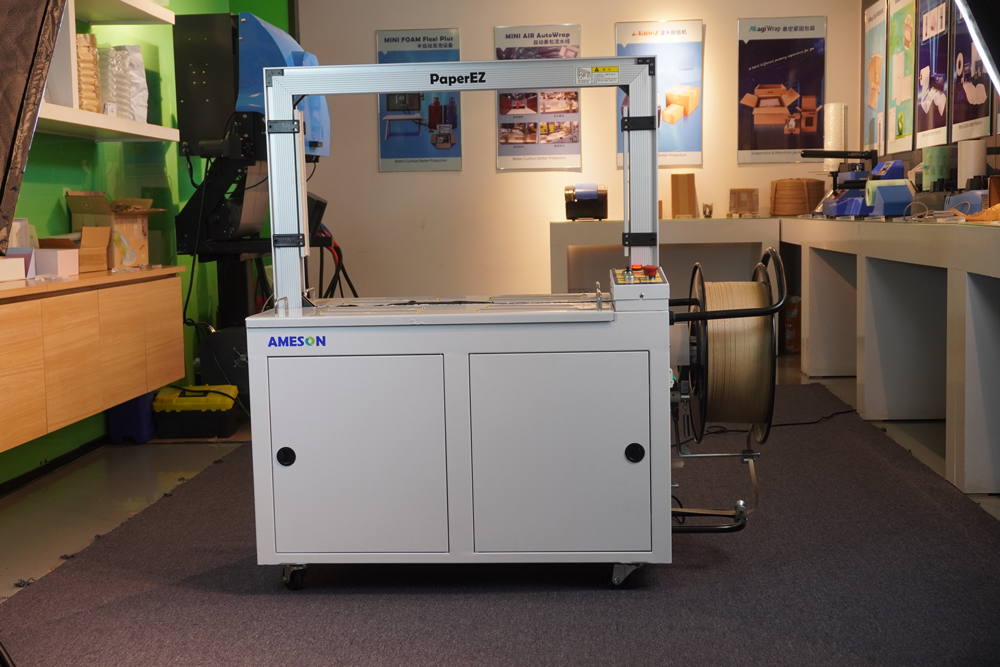
Cycle times vary heavily by equipment grade and strap material. Light-duty machines take longer to complete a seal, whereas industrial units are built to keep high-volume lines moving continuously. Built for these demanding environments, the Ameson PZMH-101A operates at ≤2.5 seconds per strap, delivering the rapid execution needed for fast-paced logistics.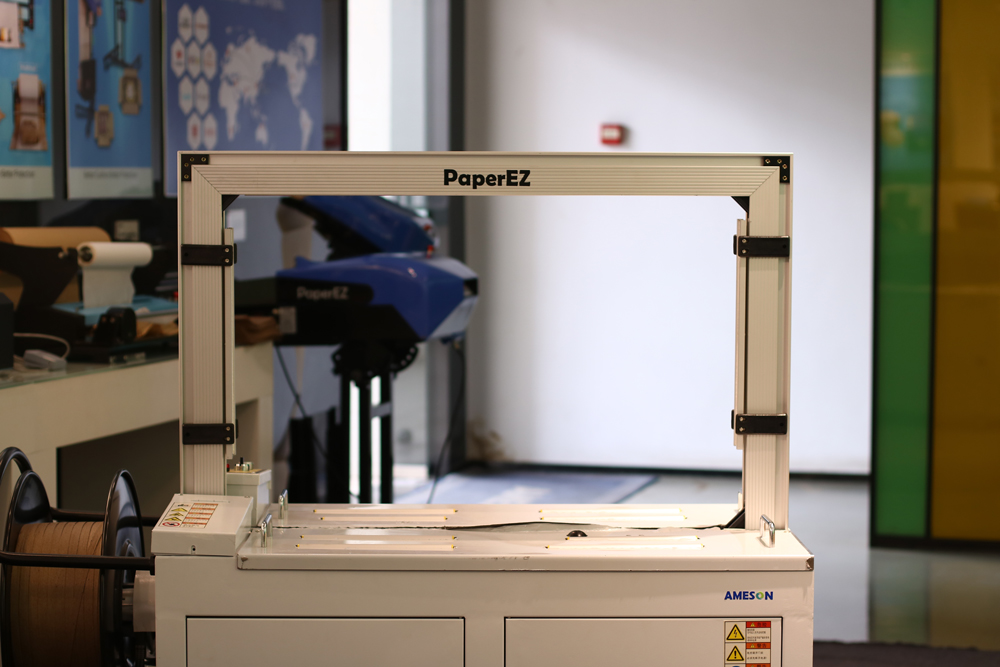
Investing in a fast machine is only the first step. Automatic strapping machine productivity is influenced by four primary operational factors:
Cycle Time: The raw time it takes the machine to complete one single strap.
Number of Straps per Package: Securing a carton with a single band takes a fraction of the time required to apply a cross-strap pattern or multiple bands to a heavy load.
Package Handling: The time spent moving, positioning, and removing the freight from the strapping area heavily impacts overall throughput.
Operator Workflow: When the machine automates the physical banding process, the operator's efficiency in sliding packages in and out of the strapping zone dictates the final production rate.
Yes, provided your handling process can keep up. Because the physical banding takes less than three seconds, the strapping equipment itself rarely causes a delay. The real factor is how fast your team or conveyor can clear the strapping area for the next load. Running a 2.5-second machine can help reduce the equipment bottleneck, letting the natural flow of your goods dictate the warehouse pace instead of waiting on the machine.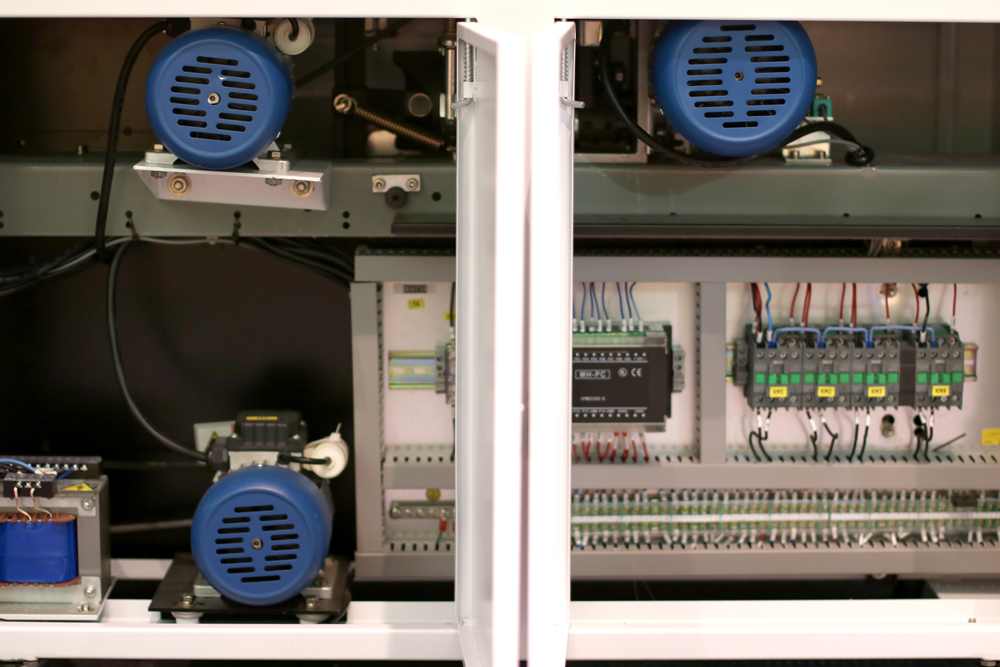
The Ameson PZMH-101A translates fast mechanical action into practical automatic strapping machine for high volume packaging operations. Powered by a 380V, 1.0 kW three-motor system, it delivers a cycle time of ≤2.5 seconds per strap.
The machine features a 0–60 kg adjustable tension range, allowing operators to quickly adapt to different load requirements without slowing down the line. It handles packages up to 80 kg and features a standard 800 × 600 mm frame to accommodate a wide variety of box sizes.
Importantly, the equipment maintains its speed while offering material flexibility. It supports 0.8 × 12 mm to 1.0 × 15 mm strap dimensions and is fully compatible with sustainable options like Ameson PaperEZ Paper Fiber Strapping and Plant-Based Pallet Strapping, ensuring productivity remains high even when shifting to eco-friendly materials.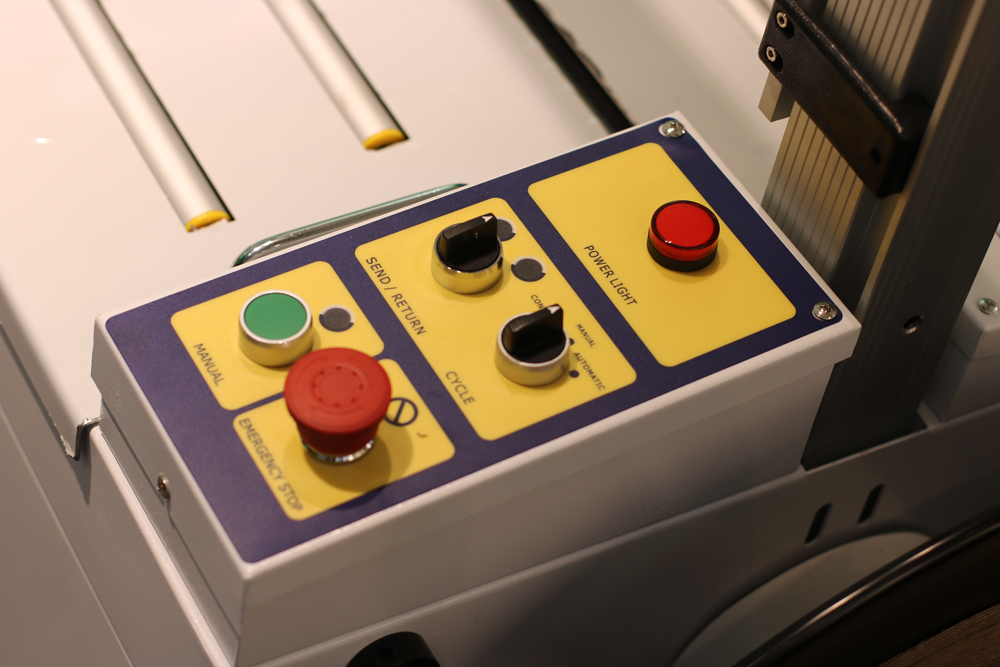
To understand the potential impact on throughput, we can look at a theoretical maximum calculation based on a ≤2.5-second cycle time:
2.5 seconds per strap equates to roughly 24 straps per minute.
This translates to a theoretical capacity of 1,440 straps per hour.
If a standard package requires 2 straps, the theoretical maximum output is approximately 720 packages per hour.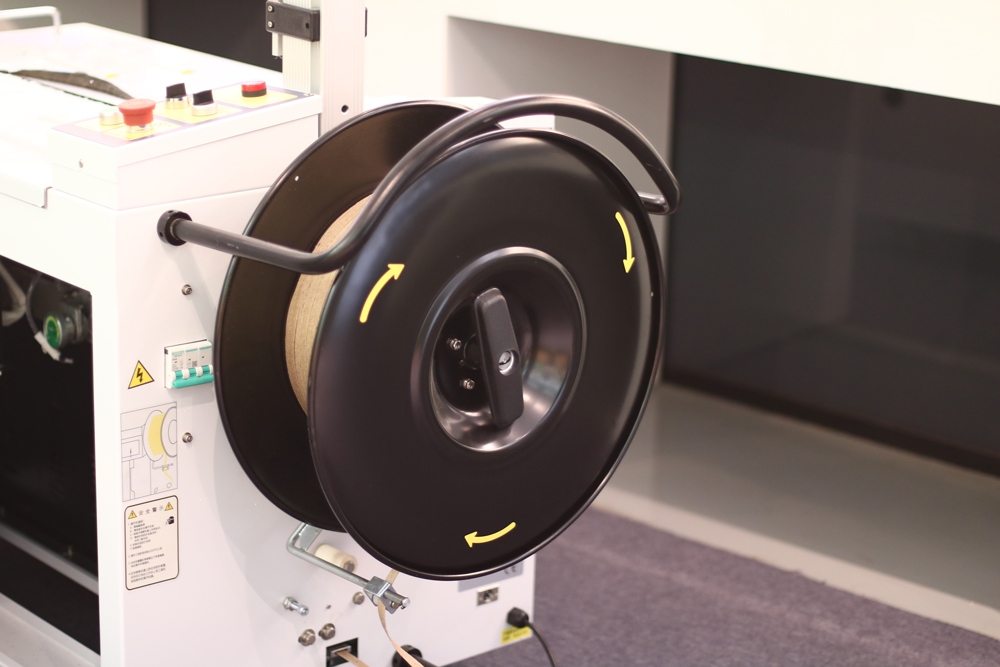
It is crucial to note that actual capacity will be lower than this theoretical maximum. Real-world output must account for the time required to position, handle, and remove the goods, as well as variations in package dimensions and operator fatigue. Faster machine speeds raise the theoretical limit, but your handling workflow determines the actual daily output.
Cycle times vary by model and configuration. Industrial machines designed for continuous use typically complete a strapping cycle in a few seconds. The Ameson PZMH-101A, for example, is rated at ≤2.5 seconds per strap.
It means the machine takes a maximum of 2.5 seconds to mechanically feed, tension, seal, and cut one band around a package after the operator triggers the cycle.
Actual productivity is determined by the machine's cycle time, the number of straps applied to each package, the speed of package handling, and the overall operator workflow.
Yes. Machines with fast cycle times, durable motors, and large frames are engineered specifically to handle continuous, high-volume outbound logistics without causing delays on the packing floor.
A machine with a 2.5-second cycle time can theoretically apply 1,440 straps per hour. If a package requires two straps, the theoretical limit is 720 packages per hour. Actual output will be lower depending on handling time and operational workflow.