China
China
 Malaysia
Buying a PU foam injection machine isn't just about comparing spec sheets and prices. You are ultimately buying a workflow. The goal is to create custom shock-absorbing cushions on demand, but if you pick a machine that doesn't fit your daily packing rhythm, you may end up slowing down the entire packing line.
Here is what you actually need to think about before getting one.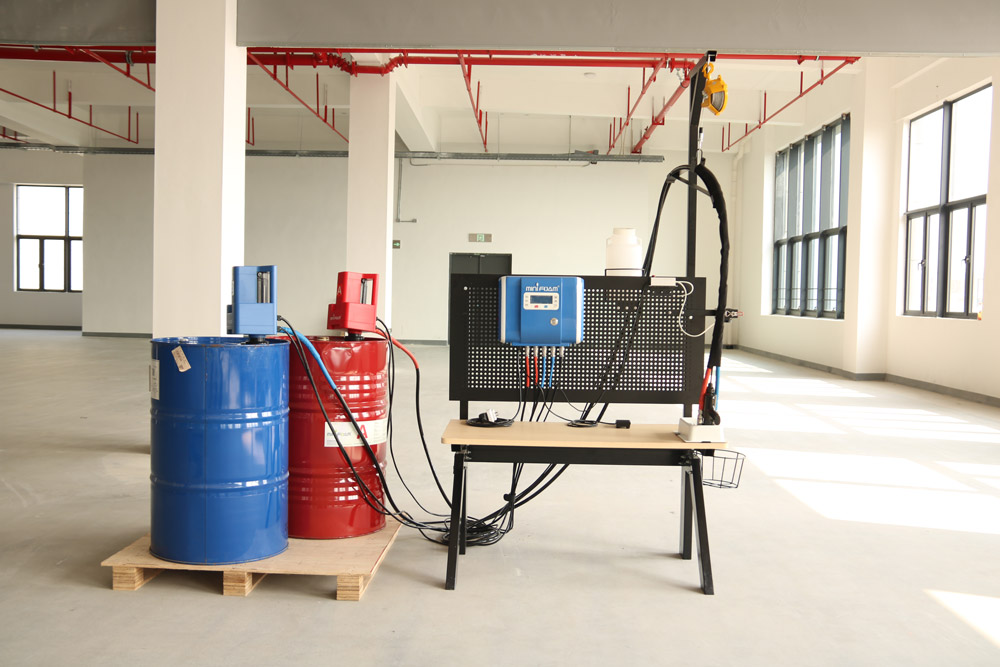
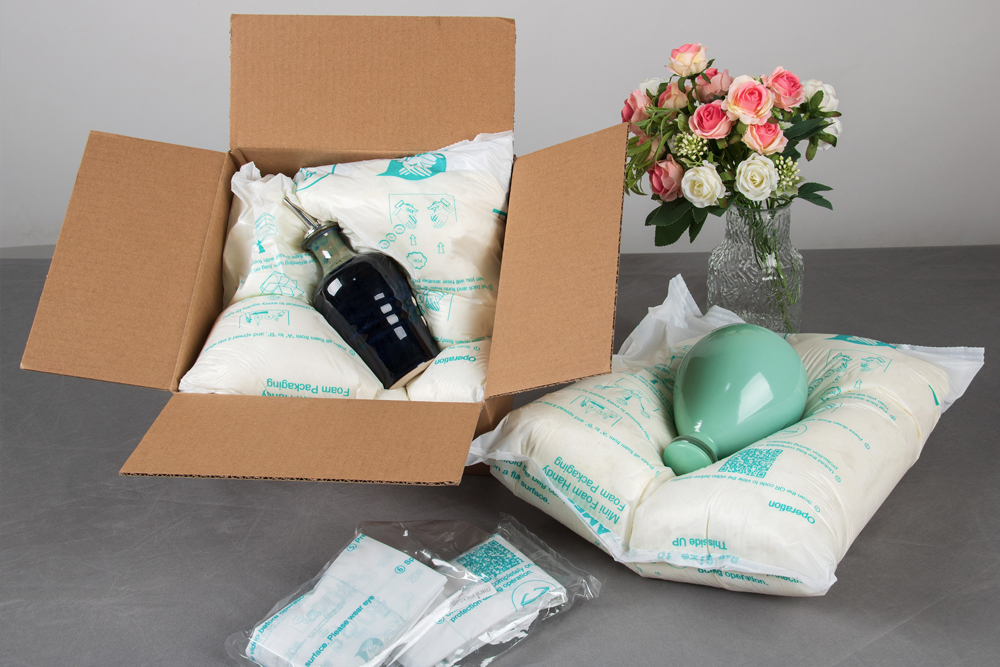
Let's strip it down to the basics. A PU foam packaging machine dispenses two liquid polyurethane components. They mix, expand, and harden inside the carton to form a custom cradle right around your product. This keeps heavy, awkward parts from moving around in transit, and it drastically reduces the need to purchase and store huge piles of pre-molded foam blocks.
But understanding the chemistry is the easy part. Matching the hardware to your workers is where people make mistakes.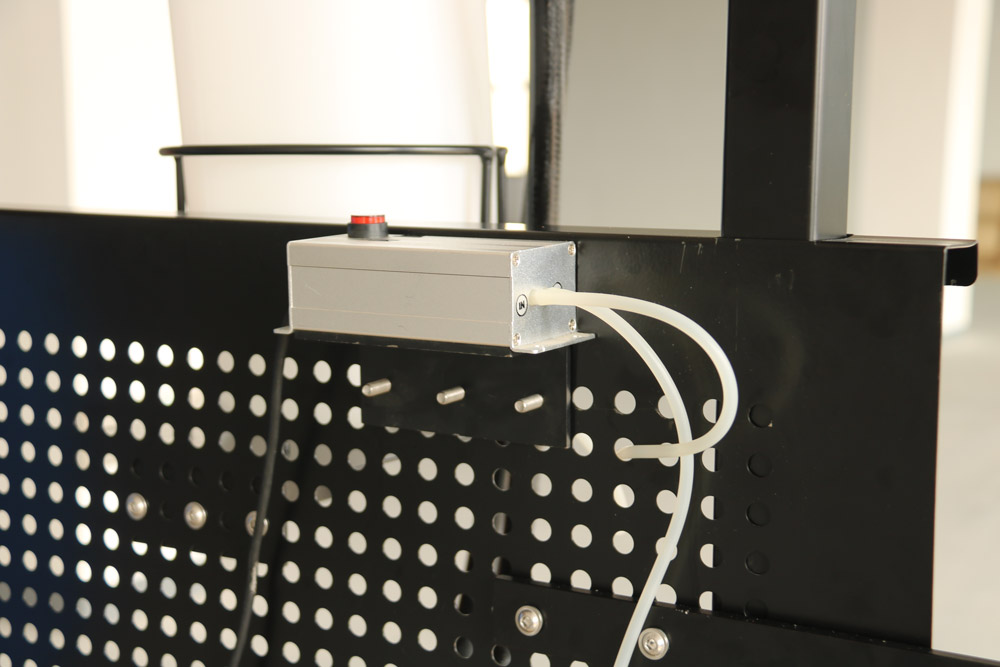
Don't buy a machine based entirely on how fast it pumps liquid. Look at the actual products hitting your packing tables every shift.
Are your workers packing the exact same engine component 500 times a day? If so, a machine that automatically shoots out pre-sealed bags might work well. But what if your line is totally unpredictable? You might pack a delicate glass housing one minute and a heavy steel gearbox the next. High-mix packing lines with constantly changing box sizes demand a completely different setup.
You also have to watch the actual packing rhythm. A machine might dispense liquid incredibly fast, but your operator still needs time to handle the plastic film, drop the product in, and shut the flaps. If the machine's style doesn't match how your operators actually move, the raw dispensing speed means nothing.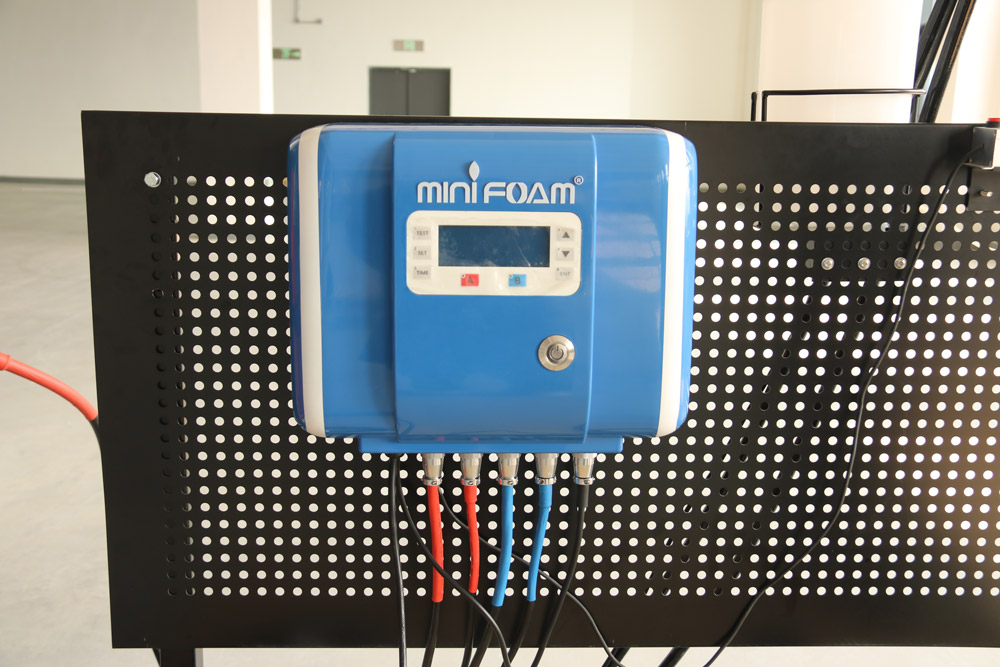
For high-mix operations, a semi-automatic PU foam injection machine can be a practical option. It separates the dispensing from the film handling.
Instead of waiting on a machine to make a bag, the operator just cuts a piece of film and puts it in the box. They grab a hand-held spray gun and pull the trigger to shoot the liquid right onto the film. Then they fold the film over to enclose the liquid, drop the product on top, and let the foam rise around it.
It is very hands-on. Because the operator physically holds the gun, they can eyeball the box and adjust the foam volume on the spot based on their own experience. This setup handles chaotic, randomly sized orders well. Just keep in mind that the actual number of boxes you get out the door will depend heavily on the operator's speed, the size of the part, and how fast they handle the film.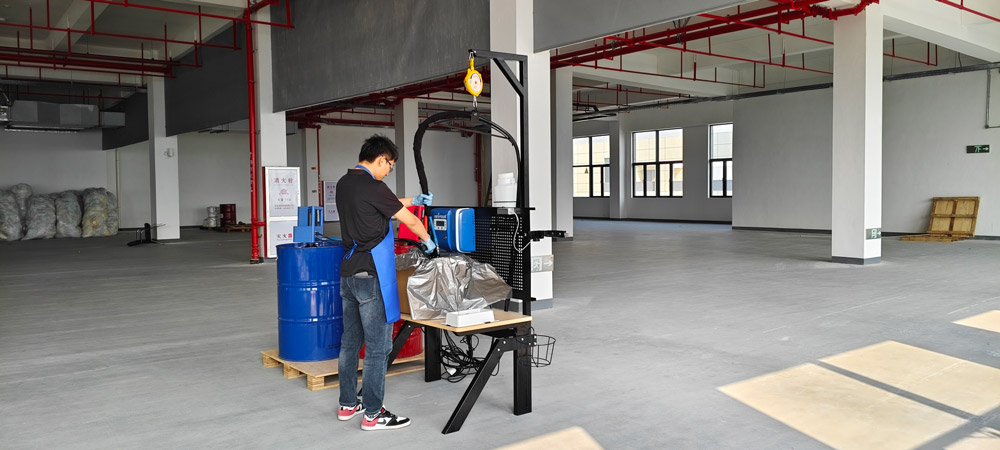
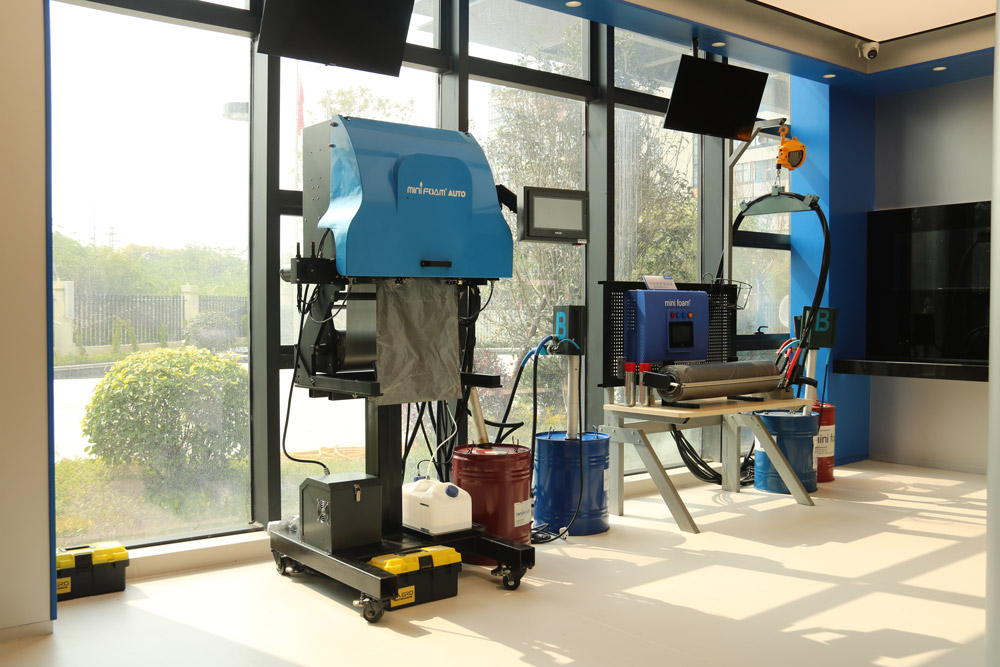
A complete PU foam packaging system covers everything from fully automated bag-makers to manual spray guns. Your job is to figure out what your daily shipping manifest looks like.
If your box sizes change every hour, you need a setup that adapts without forcing your packers to stop and change machine settings. If operational flexibility is what you really need, consider the [Mini Foam FlexiAuto]. It is a semi-automatic foam-in-place packaging machine that relies on a manual spray gun and manual film handling. Operators can adjust the amount dispensed based on the product and its packaging requirements, making it a practical option for high-mix packing lines.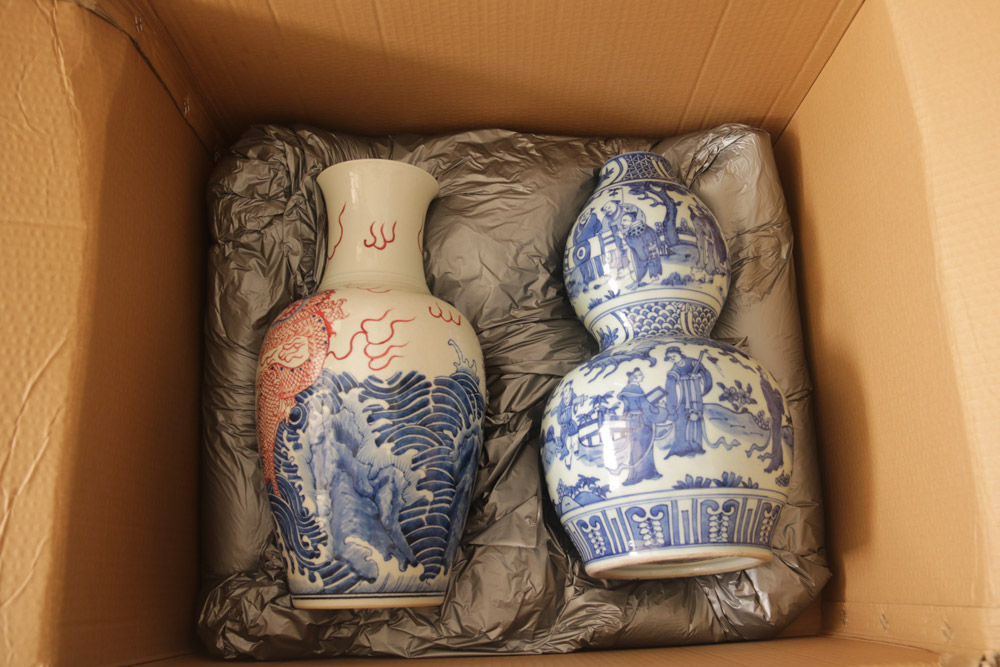
A PU foam injection machine creates custom protective cushions inside cartons using expanding polyurethane foam. It helps protect fragile, heavy, and irregularly shaped products by filling gaps and reducing movement during shipping.
An automatic machine handles film feeding, liquid dispensing, sealing, and cutting to produce foam-filled bags. A semi-automatic machine requires the operator to handle the film manually and dispense the liquid using a spray gun. The right choice depends on product variety, packing volume, and operator workflow.
Yes. A semi-automatic PU foam injection machine can be suitable for high-mix packing operations because operators can adjust film handling and foam dispensing to suit different products and carton sizes. Actual packing throughput depends on operator experience, foam volume, product dimensions, and the time needed to complete each package.